The History of Ecstatic Dance: From Tribal Fire to Movement Medicine
Before there were studios.
Before there were playlists.
Before there were facilitators with carefully curated sound systems…
There was a drum.
And a circle.
And a human body trembling in the dark, remembering that it belongs to something vast.
The Ancient Roots: Ecstasy as Initiation
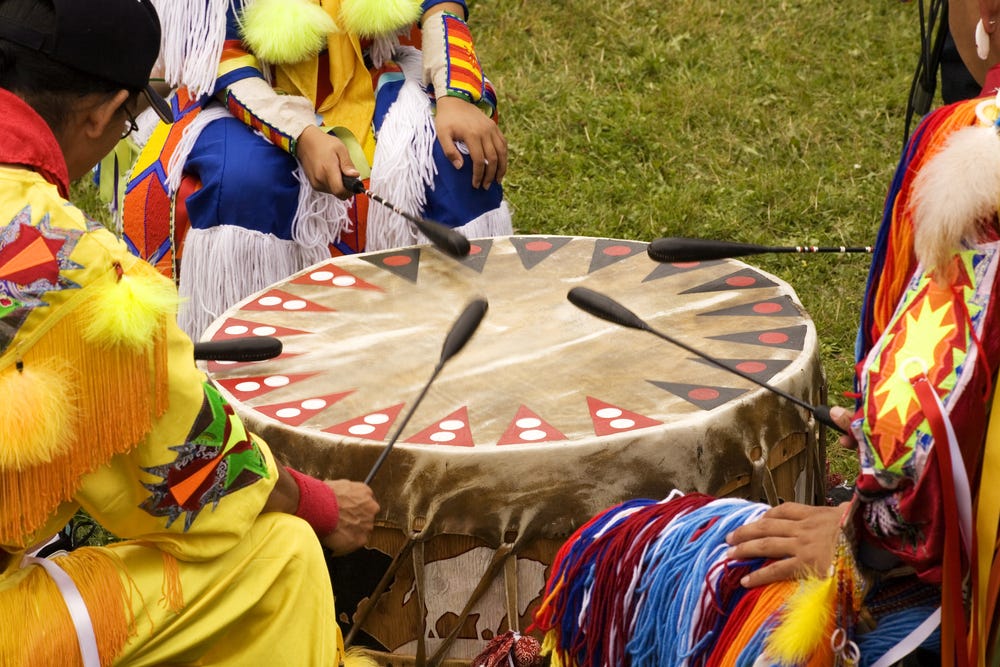
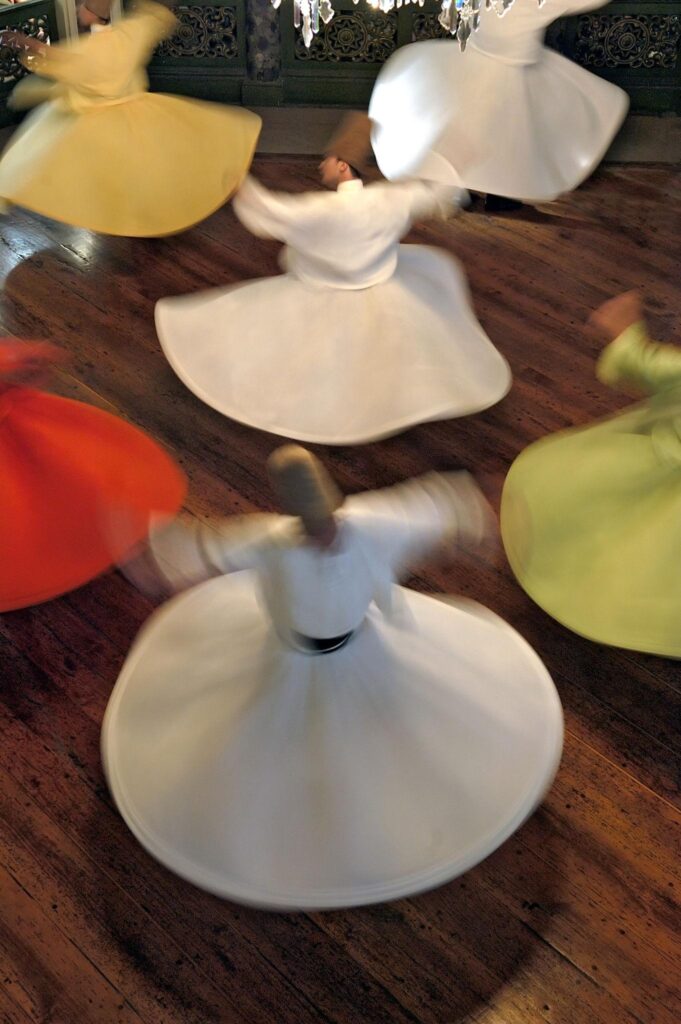

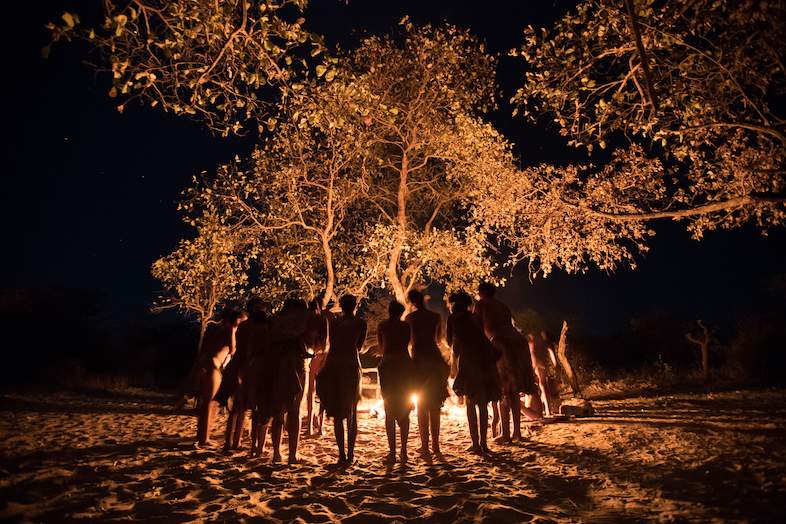
Long before the word “ecstatic” became shorthand for “feel-good freeform dancing,” ecstasy was a sacred technology.
In indigenous cultures across Africa, the Americas, Siberia, and Australia, rhythmic movement and drumming were used to enter altered states of consciousness. The San Bushmen of the Kalahari danced through the night to activate n/um—a healing energy that rose up the spine through heat and devotion. And they still do. Sufi dervishes whirled not for entertainment, but to dissolve into divine union. And they still do. Shamans danced to journey beyond the veil and bring back guidance for their people. And yes, they still do.
Ecstasy did not mean “happiness.”
It meant ek-stasis—to stand outside oneself.
It meant being taken.
It meant discipline, stamina, focus, devotion.
You didn’t just “let go.”
You trained.
You purified.
You danced for hours—sometimes days—until the ordinary self burned away and something deeper came through.
Ecstasy was a rite of passage. A confrontation. A prayer.
The Modern Rebirth: Dance as Liberation
By the early 20th century, Western culture had largely severed dance from its sacred roots. It became performance, spectacle, entertainment.
Then a few fierce visionaries began to bring the body back into the conversation.
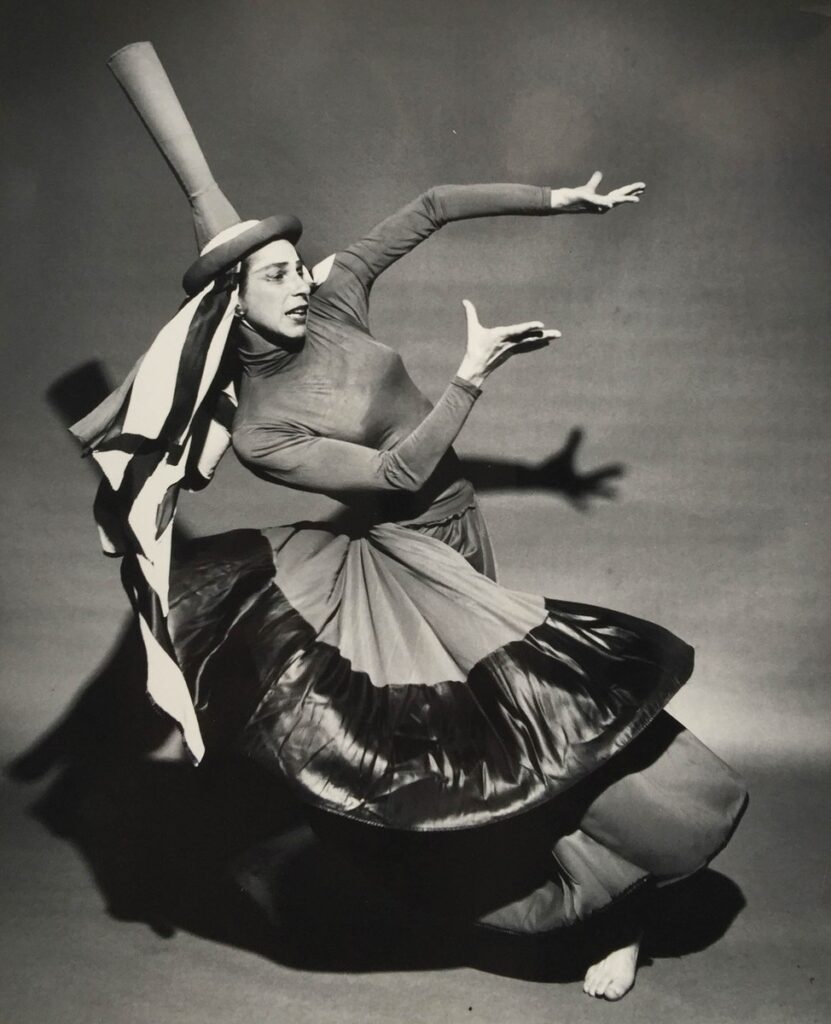
Martha Graham
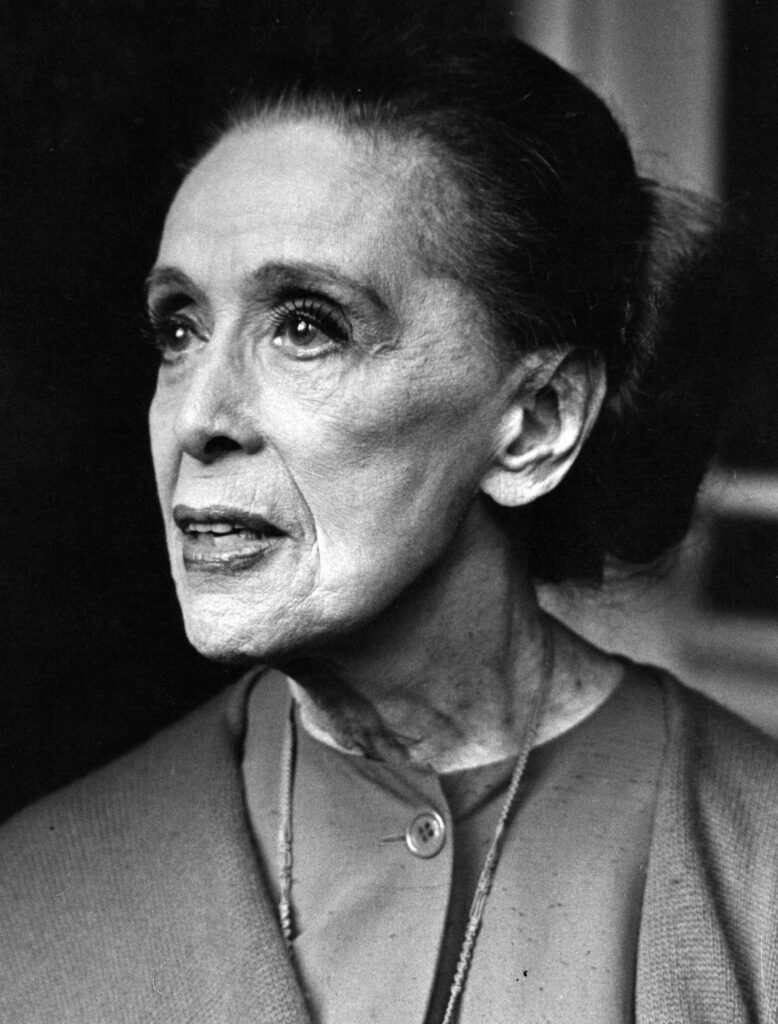
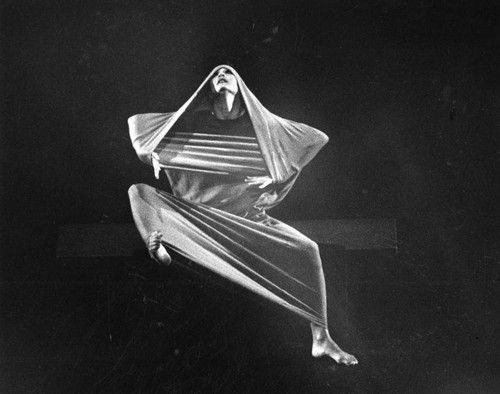
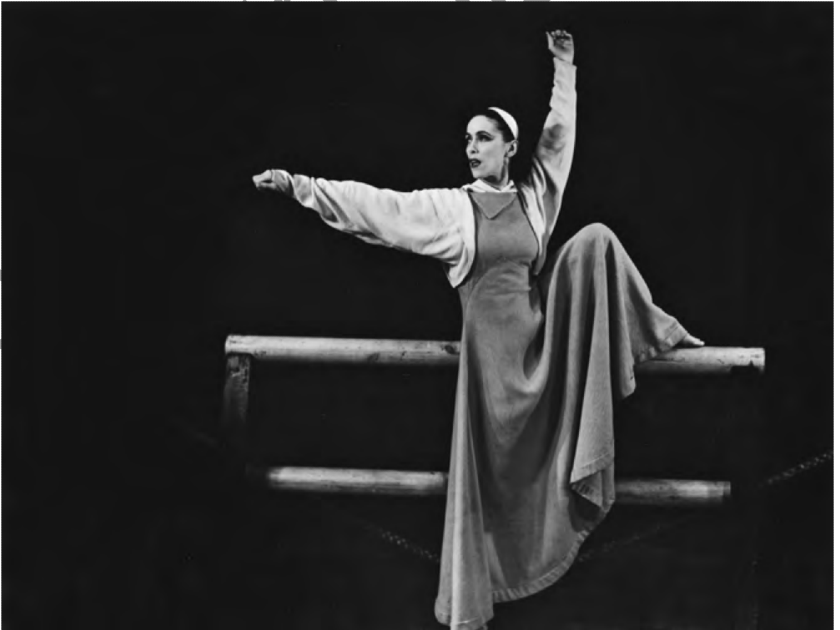
Martha Graham reintroduced the body as an instrument of emotional truth. Her technique; contraction and release, was not about looking pretty. It was about excavating the psyche. She dragged the hidden emotional life of women onto the stage and said: This too is sacred.
Anna Halprin
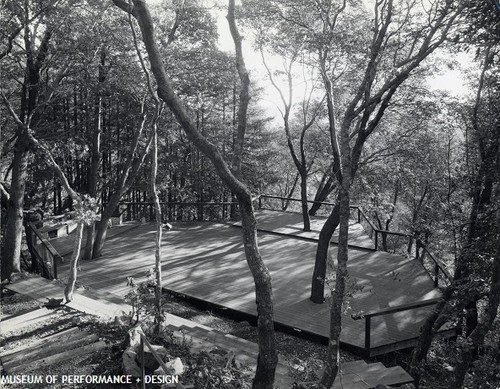
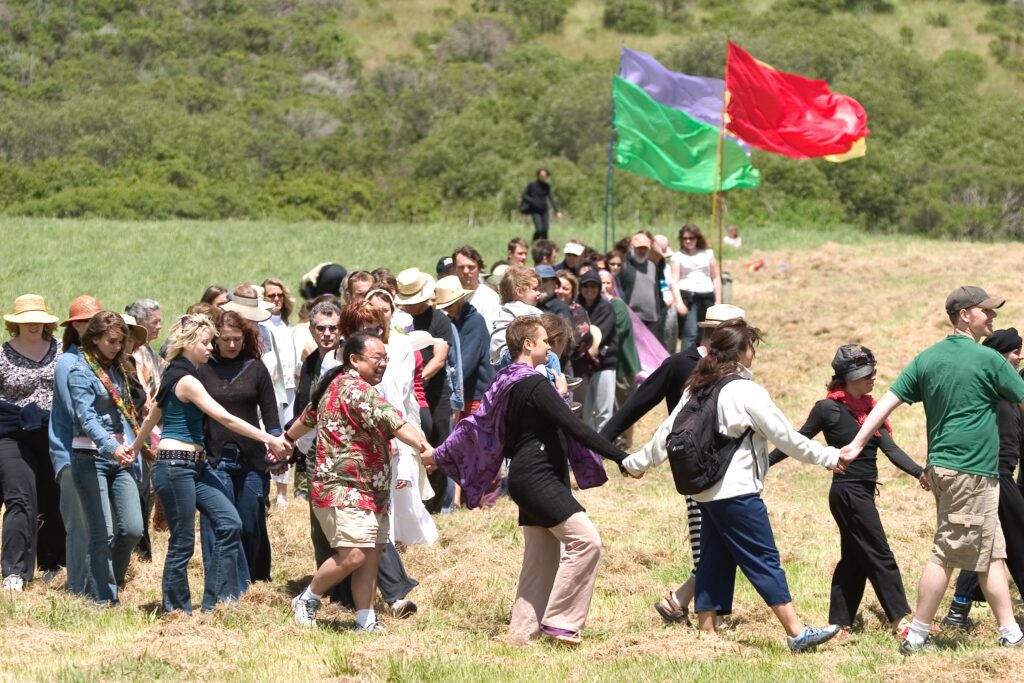
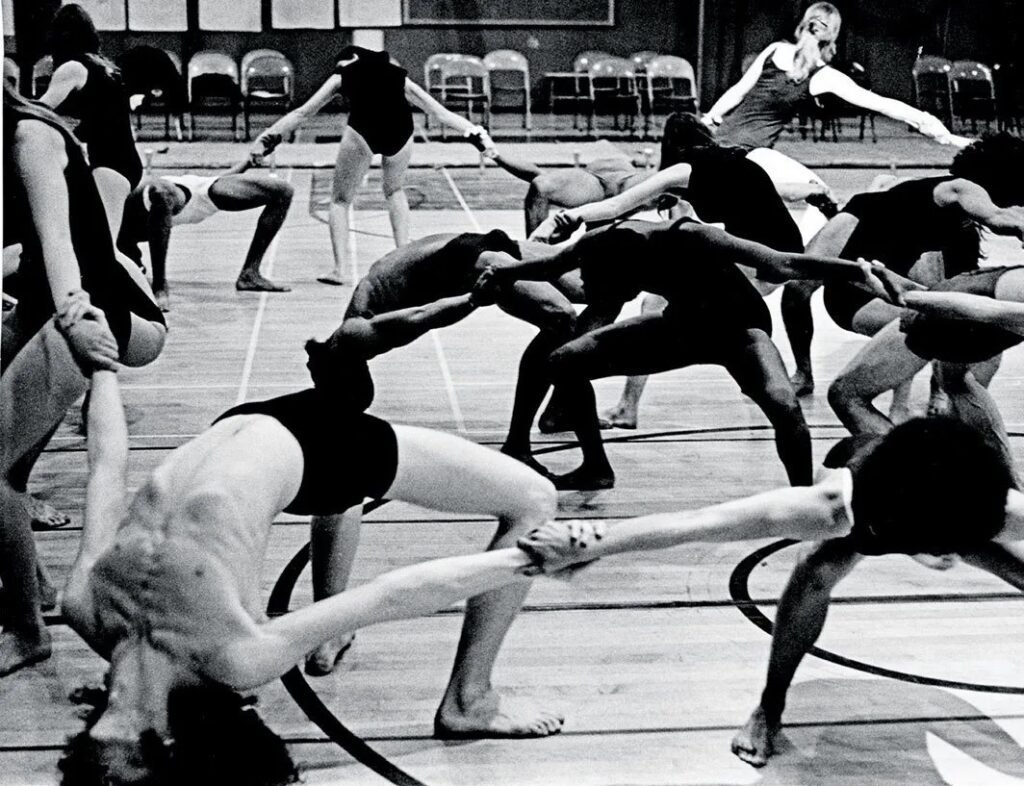
Anna Halprin took dance off the stage and back into ritual space. On her outdoor deck in California, she invited ordinary people, not just trained dancers, into movement as healing; as community ceremony. Her “Planetary Dance” reconnected movement with intention and collective prayer.
She was one of the first to say: "Dance can heal trauma. Dance can rebuild community. Dance is medicine."
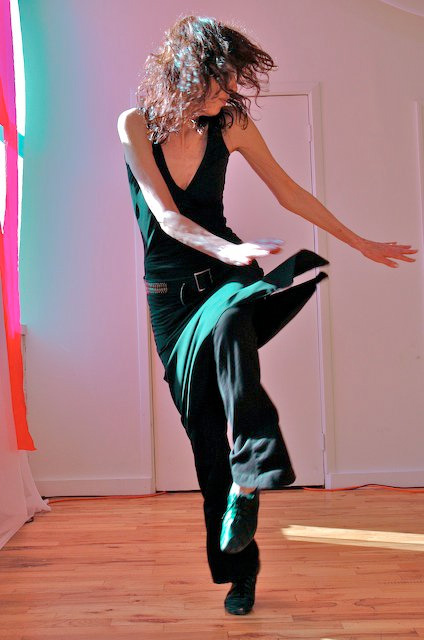
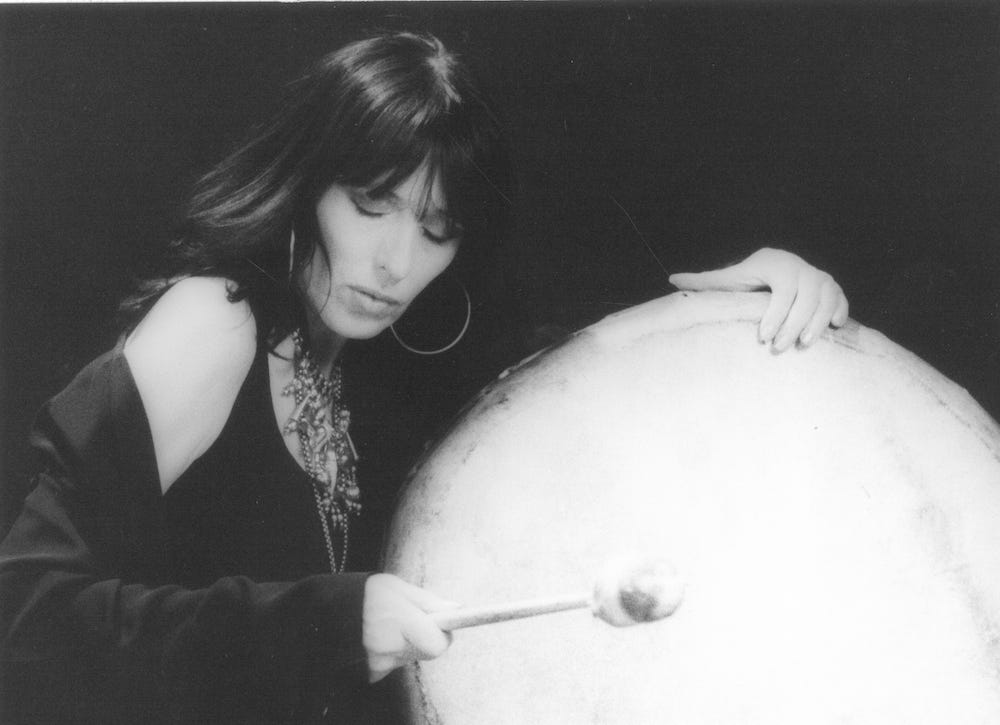
Gabrielle Roth, often called “the urban shaman,” brought ecstatic dance fully into contemporary culture with her 5 Rhythms practice. She stripped away choreography and invited people into sweat, trance, catharsis. The dance floor became a modern temple.
Gabrielle Roth restored the body to the heart of spiritual practice. In doing so, she mended the Cartesian dualism, that had long divided body and spirit, reuniting body, heart, mind, soul, and spirit in one living, breathing continuum of experience.
She recognized something both simple and radical: the conditions of modern life are profoundly different from those in which many traditional contemplative practices arose. A monk in India who has labored in the fields all day enters meditation through a body already worked, emptied, and alive. By contrast, modern people often attempt to meditate after hours of physical inertia; sitting at desks, driving cars, living from the neck up. Roth understood that for us, stillness is not the starting point. Movement is.
“The fastest way to still the mind is to move the body,” she taught, not as a slogan, but as a lived truth.
Her map of ecstatic movement, the Five Rhythms: Flowing, Staccato, Chaos, Lyrical, and Stillness, guides practitioners through a wave of embodied awareness. Each rhythm opens a distinct energetic landscape, inviting us to inhabit the full spectrum of our humanity. Moving through these rhythms, we arrive in stillness, and may enter what Gabrielle Roth called the “silver desert” of luminous consciousness: a state not of dissociation or transcendence away from the body, but of fully embodied presence. Consciousness, awakened through sweat, breath, heartbeat, and surrender.
If you want to read more, we recommend her book: "Maps to Ecstasy, the Teachings of an Urban Shaman" published in 1989 by New World Library.
We had the privilege of training with Gabrielle in our mid twenties. After that we brought 5 Rhythms to may European countries, assisted Gabrielle in multiple trainings. This time continued for 18 potent years.
Gabrielle Roth’s energetic understanding of dance as a healing force; the profound insight and experience that underlies the Five Rhythms, has been, and continues to be, a central component of our own understanding of movement as medicine.
One of Gabrielle's essential teachings was that energy moves in waves. Nothing is static. Emotions, sensations, suffering; these too are waves. When we resist them, we become stuck. When we move with them, they transform. “The way out is through,” she would say. Rather than bypass pain, we enter it consciously, give it form, and allow it to move. In this way, suffering can become art. Grief becomes dance. Rage becomes rhythm. And identification loosens its grip.
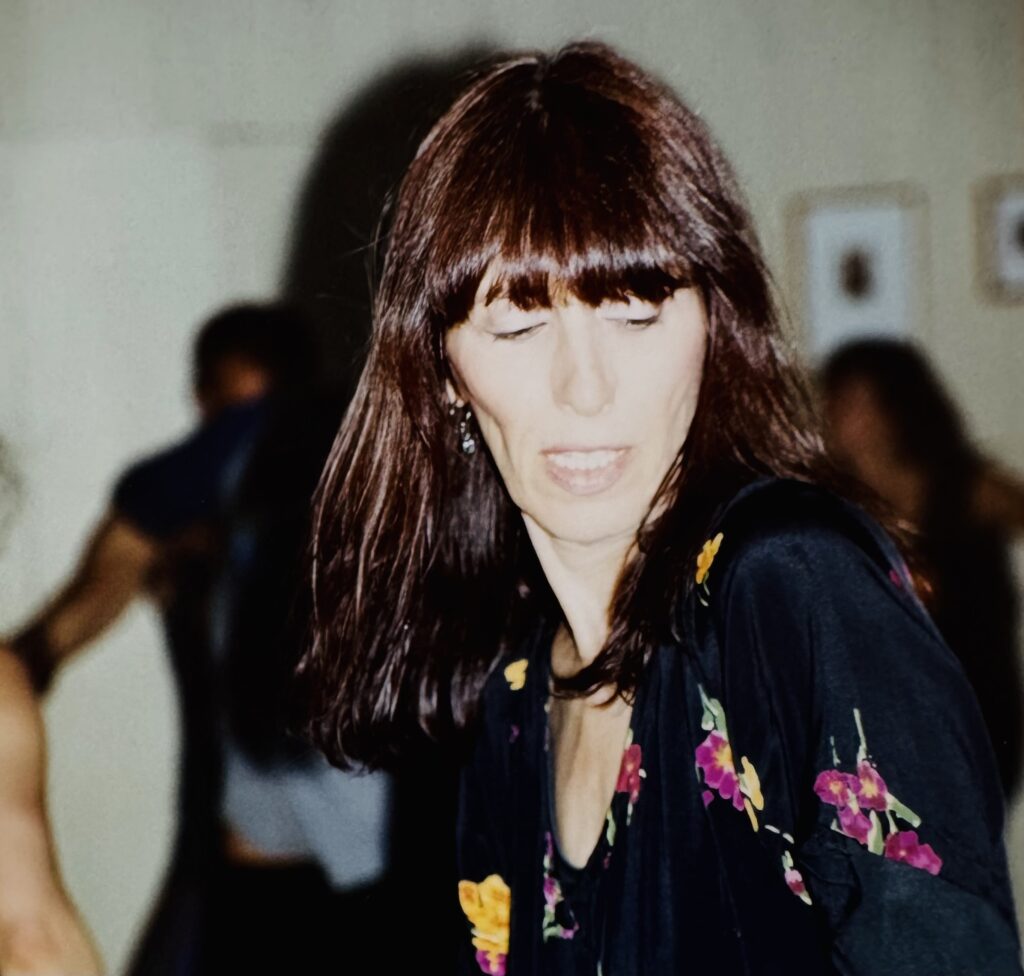
Through this practice, we learnt how to work skillfully with energy; our own and others’. We witnessed again and again how embodied movement supports people to metabolise experience, to release contraction, and to discover resilience on the other side.
And yet, as formative as this work was, we also sensed there were further layers to explore and gaps to fill, and aspects to let go of, as we strove to create something which fitted what we sensed was needed in this time.
Susannah’s background in Gestalt psychotherapy, Anthropology and science, opened additional pathways of inquiry. Her particular interest in neuroscience deepened our understanding of how movement reshapes neural pathways, regulates the nervous system, and integrates fragmented experience. These insights allowed us to articulate, and refine, the essence of what Gabrielle was transmitting in ways that resonate within contemporary European culture.
Ya'Acov’s immersion in shamanic traditions added another dimension: a recognition of movement as ritual, as initiation, as a bridge between visible and invisible worlds. Where psychology offered integration, and neuroscience offered explanation, shamanic practice offered mythic depth and sacred context.
Together, these strands have shaped our work. At its core remains what Gabrielle embodied so fiercely and so generously: that the body is not an obstacle to awakening. It is the way.
For many, this was the gateway back to embodied spirituality.
At this point we want to acknowledge the huge importance of Gabrielle Roth's presence in our lives; as teacher and elder. Amongst so much else, she taught about the spiritual value of long term relationship, of family, of parenthood. We are deeply grateful.
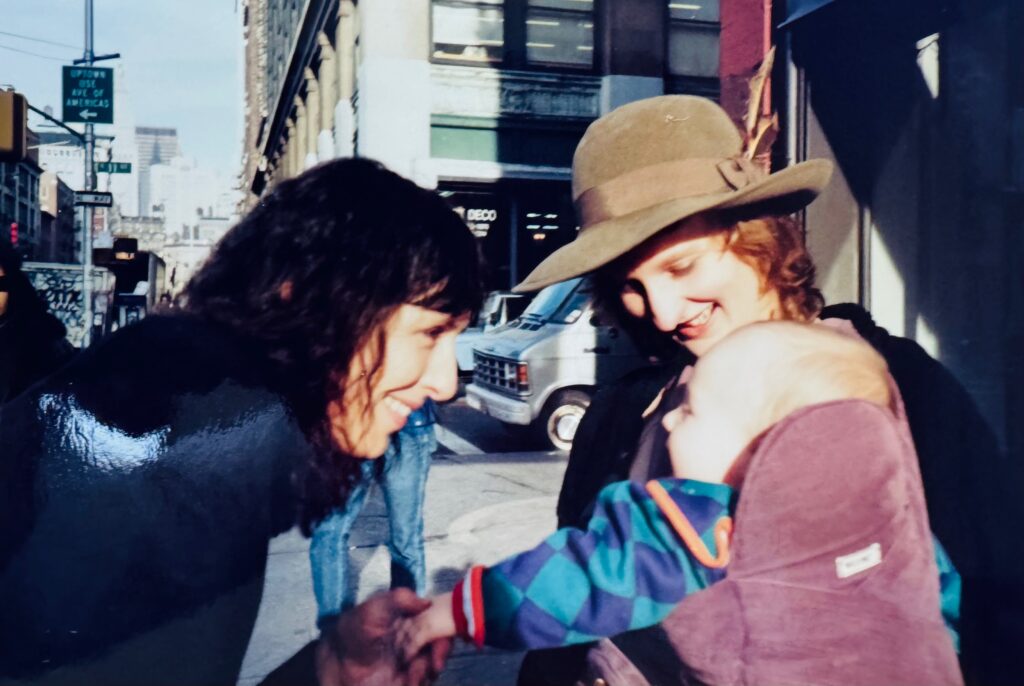
Gabrielle's work has seeded so many other wonderful movement paths. As well as our own Movement Medicine, amongst those practices who recognise a deep root in Gabrielle Roth's lineage are: Soul Motion, Open Floor, and Azul - each with its own distinct character and value.
But here’s the thing.
Much of modern ecstatic dance began to emphasize freedom, release, and emotional expression. And while these are beautiful and necessary, something essential from the ancient traditions was sometimes diluted.
The discipline.
The apprenticeship.
The depth of initiation.
Four Decades on the Dance Floor
For more than forty years, Ya'Acov Darling Khan and Susannah Darling Khan have walked this edge.
They did not arrive at ecstatic dance as a lifestyle trend.
They arrived through initiation.
Through shamanic apprenticeship.
Through direct encounters with indigenous teachers.
Through long nights, long years, long disciplines of practice.
As written in Jaguar in the Body, Butterfly in the Heart, Ya’Acov’s journey was not a weekend fascination. It was a 30-year initiation into the world of the shaman, a path of humility, testing, and responsibility.
Together, Ya’Acov and Susannah Darling Khan have brought a contemporary form of ecstatic dance to many thousands of people across the globe, not as entertainment, not as therapy-lite, but as a modern expression of an ancient vocation.
Their work has never been about chasing altered states.
It has been about integration.
About bringing the jaguar: power, instinct, wildness, into the body.
And the butterfly: soul, lightness, grace, into the heart.
Movement Medicine: Ecstasy as Practice, Not Performance
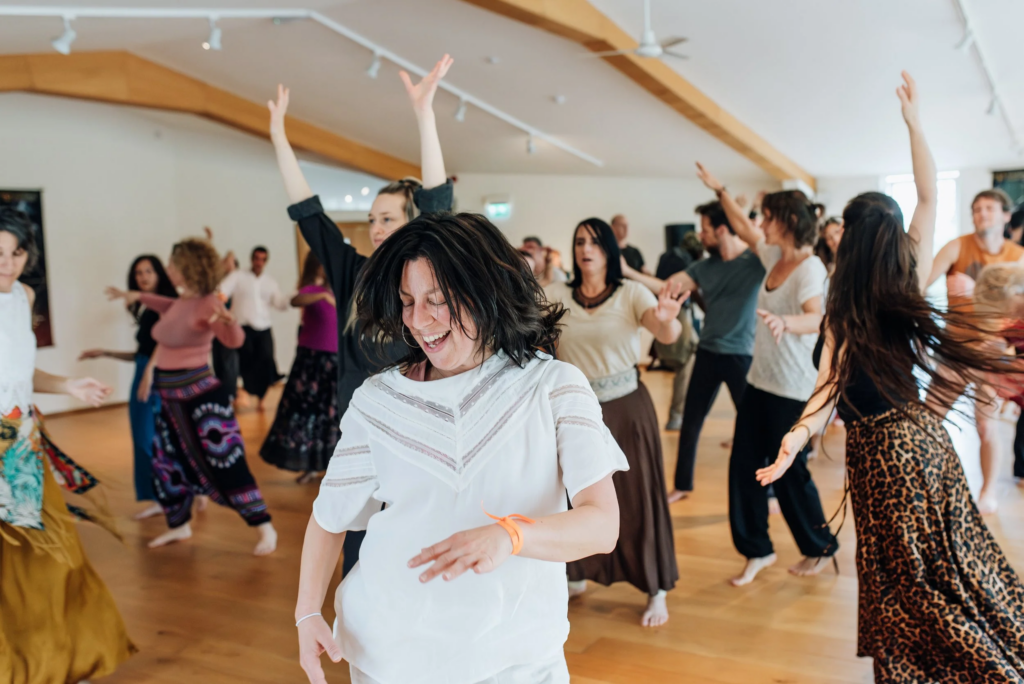
Movement Medicine stands closer to the ancient fires than to the festival field.
It honours that ecstasy is not a mood.
It is a state of consciousness that requires:
- Focus
- Commitment
- Emotional honesty
- Physical endurance
- Devotion to something greater than the ego
In the old traditions, ecstasy emerged after hours of disciplined rhythm. After surrendering to repetition. After confronting fear, grief, rage, and shadow.
Movement Medicine carries this understanding forward.
Yes, there is freedom.
Yes, there is joy.
Yes, there is celebration.
But there is also:
- Accountability
- Initiatory process
- Integration into daily life
- Service to community
- Responsibility for the power that movement unlocks
Ecstasy, in this lineage, is not about “letting go and being happy.”
It is about becoming permeable to the greater intelligence of life.
It is about stepping beyond the small self and returning with something of value.
It is about standing at the crossroads of the eagle and the condor: body, heart & mind, and letting them fly together.
From Ancient Drum to Contemporary Temple
Ecstatic dance today appears in studios, festivals, and beaches worldwide. It has become accessible, democratic, beautifully inclusive.
And yet, the deeper question remains:
Are we just dancing?
Or are we practising? And if yes, what are we practising?
The ancient shamans danced for the survival of their people.
The Sufis whirl for union with the Divine.
The great modern pioneers restored the body to dignity.
And Ya’Acov and Susannah Darling Khan have spent four decades building a bridge:
From tribal fire
To modern consciousness
From catharsis
To responsibility
From self-expression
To embodied service
This is pioneering work.
The story of ecstatic dance is still being written.
And in its contemporary chapter, their names are woven through it, not as trendsetters, but as guardians of depth.
Because true ecstasy?
It doesn’t just lift us up.
It washes the blood, burns through trauma, and brings into the awesome embrace of a greater power, delivered by the rhythms of the drum.